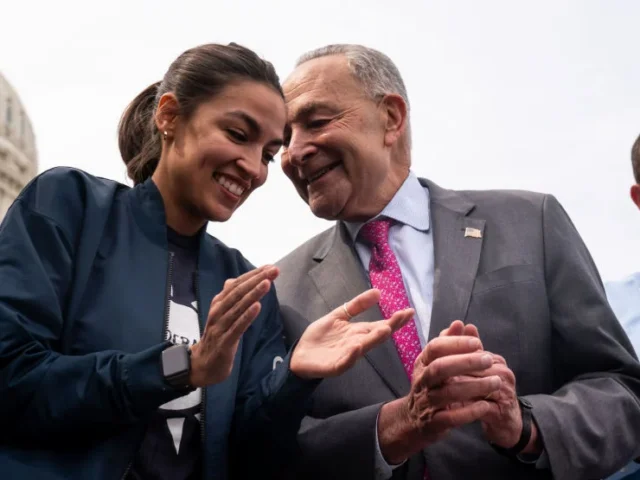

In the wake of a decisive midterm victory, Democrats in Washington are grappling with a fundamental question about the limits of their newfound power. While the party celebrates its success, lawmakers are now debating how aggressively they can reshape the nation’s health care system without overreaching politically. The conversation comes at a time when access to medical services was a central pillar of their campaign strategy and remains a primary concern for voters across the country.
There is already significant consensus within the party regarding immediate priorities. Many congressional Democrats are pushing for an urgent rollback of Medicaid cuts implemented during the Trump administration, arguing that these reductions left too many vulnerable citizens without essential support. Additionally, there is strong momentum to restore expired Affordable Care Act tax credits, which proponents say are necessary to make insurance premiums affordable again for millions of Americans who lost coverage.
However, moving beyond these restorative measures introduces more complex political challenges. As leaders consider whether to pursue broader systemic changes, they must balance the desires of their most progressive members against the reality of potential presidential vetoes and shifting public opinion. For now, the focus remains on stabilizing existing programs while gauging just how much further they can push toward a total overhaul of American health care.