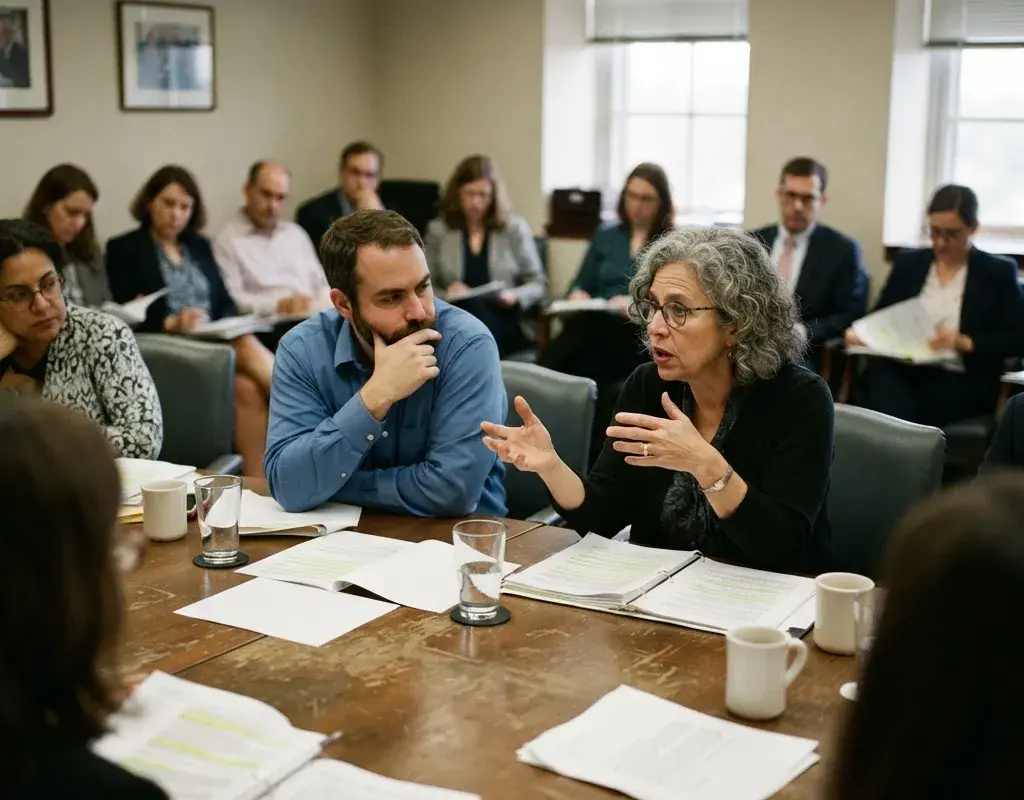
For the first time in over a year, the U.S. Preventive Services Task Force reconvened last week to tackle critical healthcare guidelines that had been stalled under a wave of administrative changes. The sixteen member panel focused on essential screenings for cervical cancer, perinatal depression, and adolescent alcohol use, issues that remained in limbo while Health Secretary Robert F. Kennedy Jr. overhauled the group’s membership and repeatedly delayed their meetings. In an effort toward transparency, the discussions were livestreamed to the public for the first time, yet the final votes on these pivotal recommendations were conducted behind closed doors.
The atmosphere during the sessions was marked by significant friction between veteran members and new appointees regarding the influence of politics on medical science. Much of the debate centered on recent directives from the Trump administration to scrub diversity, equity, and inclusion language from official guidance. This led to concerns after Roger Klein, director of the Agency for Healthcare Research and Quality, removed specific sub population data from the recommendation drafts. Some members voiced fear that such editorial interference from political leadership would damage the perceived independence of the task force’s scientific findings.
Beyond ideological clashes, the panel struggled with modern technical challenges and potential biases within expert testimony. New member Ronald Karlsberg raised questions about how to maintain transparency when utilizing artificial intelligence in their data analysis, asking whether formal documentation should explicitly state when results are supported by AI. These debates underscore a broader period of instability for federal health panels as they attempt to balance rigorous clinical standards with shifting political mandates from the executive branch.