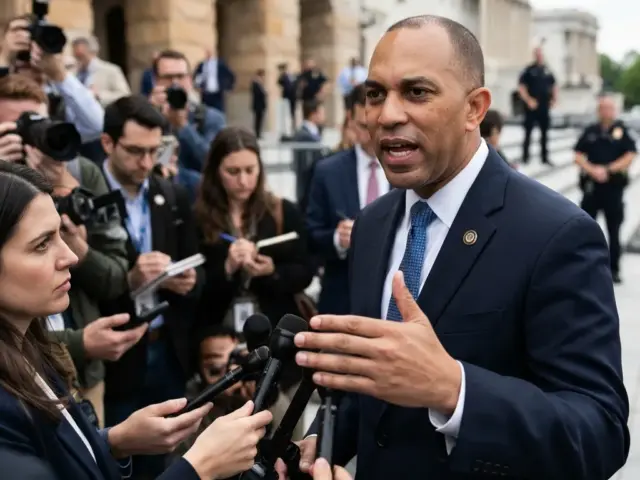
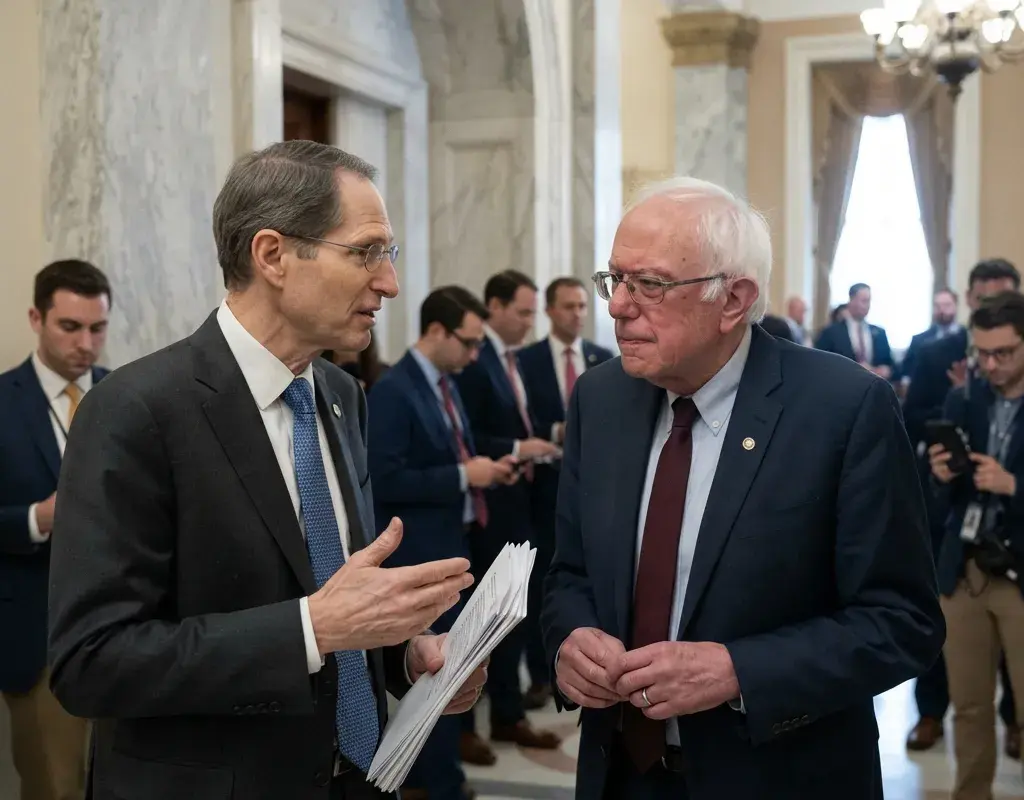
Democratic senators are preparing to turn up the heat on a controversial Trump administration effort to scrub hundreds of thousands of people from the Affordable Care Act rolls. What began as a series of sharply worded letters to health insurance CEOs has now evolved into a looming legislative battle following a sweeping electoral victory that puts Democrats in control of both the House and Senate come January. With this newfound leverage, lawmakers like Senator Ron Wyden and Senator Bernie Sanders expect to move beyond mere inquiries toward formal subpoenas and public hearings.
The core of the dispute centers on a late August operation that saw approximately 760,000 enrollees lose their coverage. While the administration argues it was simply purging phantom accounts created by fraudulent brokers, critics suggest the process was an opaque black box that may have illegally stripped legitimate citizens of their healthcare. In recent press briefings, officials such as CMS Administrator Mehmet Oz defended the moves as essential anti-fraud measures, claiming they were targeting fake identities that vanished upon contact.
However, legal experts and policymakers warn that the stakes for private insurers have changed overnight. Now facing a Democratic-led Finance Committee and Health committee, companies like UnitedHealthcare and Cigna may find themselves caught between federal directives and congressional demands for transparency. Senators are specifically questioning whether the criteria used to identify fraud were too broad and if proper due process was ignored in the rush to cancel policies.
As the new Congress prepares to take office, the focus is shifting toward whether the administration overreached in its pursuit of waste and abuse. While few deny that some level of fraud exists within government health programs, investigators want to determine exactly how many eligible families were collateral damage in the crackdown. For those still under scrutiny in subsequent phases of the purge, the coming months will likely see a fierce tug-of-war between White House enforcement and congressional oversight.