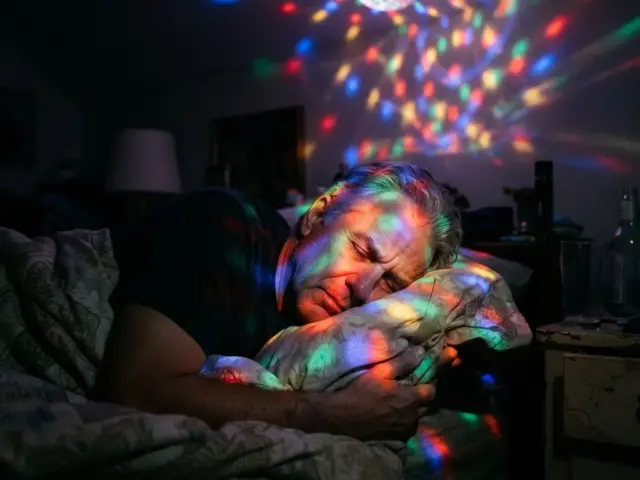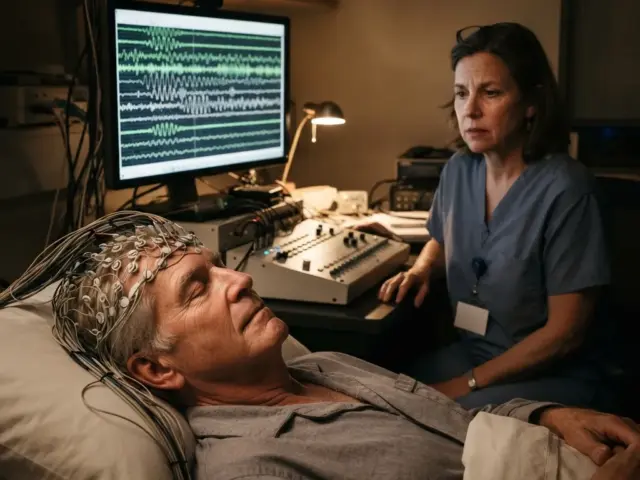

For many older adults, a midday nap is a cherished ritual and a simple way to regain energy. However, a sweeping nineteen year study involving over thirteen hundred participants suggests that these quiet moments may actually serve as red flags for serious health issues. Researchers from Mass General Brigham and Rush University Medical Center discovered that longer and more frequent naps are closely tied to an increased risk of death, with the timing of the sleep playing a surprisingly critical role.
Unlike previous research that relied on people recalling their own sleep habits, this study utilized wrist activity monitors to gather objective data. The results showed that each additional hour spent napping per day was associated with roughly a thirteen percent increase in mortality risk. Even more concerning was the discovery regarding morning naps; those who slept in the early hours of the day faced a thirty percent higher risk of death compared to those who opted for traditional afternoon siestas.
It is important to clarify that scientists do not believe napping itself causes death. Instead, lead author Chenlu Gao explains that excessive daytime sleep is likely a symptom rather than a cause, potentially signaling underlying cardiovascular disease, neurodegeneration, or severe disruptions in the body’s internal clock. Essentially, the urge to sleep excessively during the day may be the body’s way of announcing a hidden medical crisis long before other symptoms appear.
This connection opens up new possibilities for preventative medicine through technology. The researchers suggest that wearable devices could eventually be used by doctors to track nap patterns as a diagnostic tool. By catching these shifts in behavior early, healthcare providers might be able to intervene sooner, treating chronic conditions or neurological declines before they reach a critical stage. For now, while an occasional nap remains helpful for alertness, consistent and heavy daytime sleeping warrants a conversation with a physician.